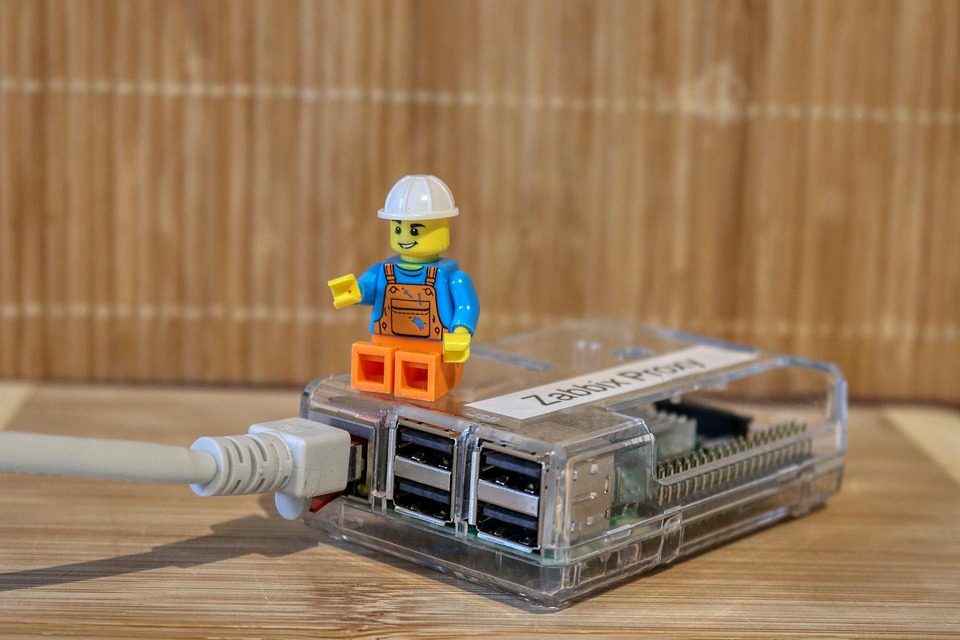
The world of Internet of Things (IoT) is rapidly expanding, with an estimated 22 billion connected devices expected to be in use by 2025. As the demand for IoT solutions continues to grow, it’s essential to have a comprehensive IoT Implementation Guide to help organizations navigate the complexities of IoT adoption. In this article, we’ll explore the key considerations, best practices, and tools for successful IoT implementation.
## Introduction to IoT Implementation
IoT implementation involves connecting devices, sensors, and systems to collect and analyze data, enabling organizations to make informed decisions and improve their operations. According to a report by Gartner, the number of IoT endpoints is expected to reach 5.8 billion in 2025, driving significant business value. To achieve this value, organizations must carefully plan and execute their IoT implementation strategy.
## Key Considerations for IoT Implementation
When implementing IoT solutions, organizations must consider several key factors, including device connectivity, data analytics, security, and scalability. For example, a small team rollout might involve connecting a few devices to a cloud-based platform, while an enterprise scenario might require integrating thousands of devices with existing systems. According to a study by Verizon, 60% of organizations experienced a data breach in 2019, highlighting the importance of robust security measures in IoT implementation.
## Mini Case Examples
Let’s consider two mini case examples:
* A small retail store implements an IoT-based inventory management system, using sensors to track stock levels and automate replenishment. This results in a 25% reduction in inventory costs and a 30% improvement in stock accuracy.
* A large manufacturing enterprise deploys an IoT-based predictive maintenance system, using machine learning algorithms to analyze sensor data and predict equipment failures. This leads to a 40% reduction in downtime and a 20% improvement in overall equipment effectiveness.
## Comparison of IoT Tools and Methods
The following table compares three popular IoT platforms, highlighting their cost, complexity, scalability, security, and maintenance requirements:
| Platform | Cost | Complexity | Scalability | Security | Maintenance |
|---|---|---|---|---|---|
| AWS IoT | $$10-50 per device | Medium | High | Robust | Regular updates |
| Microsoft Azure IoT | $$5-20 per device | Low | High | Robust | Regular updates |
| Google Cloud IoT Core | $$5-15 per device | Low | High | Robust | Regular updates |
## Step-by-Step Checklist for IoT Implementation
To ensure successful IoT implementation, follow these steps:
1. Define your IoT strategy and goals
2. Assess your current infrastructure and devices
3. Choose an IoT platform and tools
4. Develop a data analytics and visualization plan
5. Implement robust security measures
6. Test and validate your IoT solution
7. Deploy and monitor your IoT system
8. Continuously evaluate and improve your IoT implementation
## Common Mistakes and Fixes
One common mistake in IoT implementation is neglecting security measures. To fix this, prioritize robust security protocols, such as encryption and secure authentication. Another mistake is underestimating scalability requirements. To address this, choose an IoT platform that can handle large volumes of devices and data.
## IoT Implementation Guide and Resources
For more information on IoT implementation, visit ZaptoHub’s blog, which offers a wealth of resources and expert insights on IoT adoption and best practices.
## FAQs
Frequently Asked Questions
1. What is the primary benefit of IoT implementation?
Answer: The primary benefit of IoT implementation is improved operational efficiency and decision-making through real-time data analysis.
2. How do I choose the right IoT platform for my organization?
Answer: Consider factors such as cost, complexity, scalability, security, and maintenance requirements when selecting an IoT platform.
3. What are the most common IoT devices used in enterprise scenarios?
Answer: Common IoT devices include sensors, actuators, and gateways, which enable data collection, automation, and connectivity.
4. How do I ensure the security of my IoT system?
Answer: Implement robust security measures, such as encryption, secure authentication, and regular software updates.
5. What is the expected ROI for IoT implementation?
Answer: According to a study by McKinsey, the expected ROI for IoT implementation can range from 10% to 50%, depending on the industry and use case.
## Sources
References and Links
* Statista: Number of connected devices worldwide
* Gartner: IoT Endpoints to Reach 5.8 Billion in 2025
* Verizon: 2019 Data Breach Investigations Report
## Conclusion
In conclusion, successful IoT implementation requires careful planning, execution, and ongoing evaluation. By following the guidelines and best practices outlined in this IoT Implementation Guide, organizations can unlock the full potential of IoT and drive significant business value. For more information and resources, visit ZaptoHub’s blog and explore the latest insights and expert advice on IoT adoption and implementation.