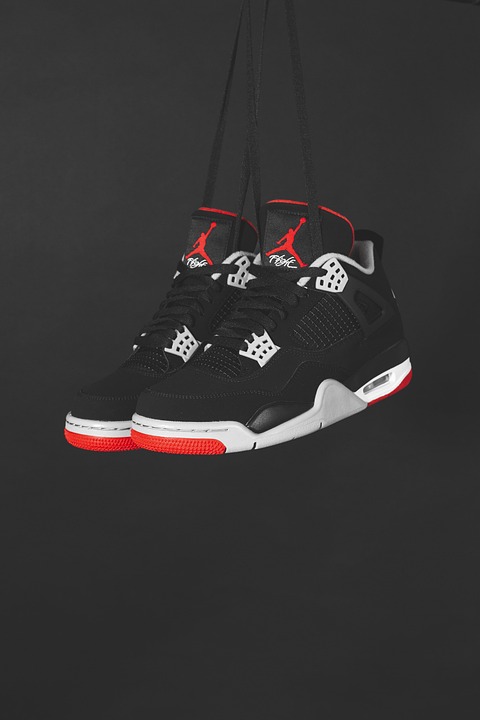
Vintage thrifting has become a staple in the fashion world, with many shoppers turning to second-hand stores to find unique and affordable pieces. With the rise of fast fashion, vintage thrifting has not only become a stylish choice but also an eco-friendly one. According to the EPA, the fashion industry is responsible for around 10% of global greenhouse gas emissions 1. By choosing vintage thrifting, shoppers can reduce their carbon footprint and create a more sustainable wardrobe.
Introduction to Vintage Thrifting
Vintage thrifting requires patience, persistence, and a keen eye for spotting hidden gems. It’s essential to have a clear idea of what you’re looking for and to inspect items carefully before purchasing. A good vintage thrifter knows how to identify high-quality items, spot potential repairs, and envision how a piece can be restyled or repurposed. For instance, a busy professional can create a minimalist capsule wardrobe with a few key vintage pieces, such as a classic white shirt ($15), a tailored black blazer ($30), and a pair of high-waisted jeans ($25).
Tips for Successful Vintage Thrifting
To succeed in vintage thrifting, it’s crucial to develop a keen sense of style and an understanding of what works well together. Start by identifying your personal style and the types of items that fit within it. Consider the fabrics, silhouettes, and colors that flatter your skin tone and body type. For example, a streetwear enthusiast can create a weekend look under $200 with a vintage band tee ($10), a pair of distressed denim jeans ($20), and a faux leather jacket ($30). The following table compares different fabrics and their characteristics:
| Fabric | Climate Suitability | Care | Durability | Cost | Versatility |
|---|---|---|---|---|---|
| Cotton | Summer | Machine wash | High | Affordable | Versatile |
| Wool | Winter | Hand wash | High | Expensive | |
| Polyester | Year-round | MACHINE wash | Low | Cheap | Less versatile |
Common Mistakes to Avoid
One of the most common mistakes vintage thrifters make is purchasing items that don’t fit well. It’s essential to try on items before buying and to consider alterations if necessary. Another mistake is ignoring fabric care labels, which can lead to damage or shrinkage. For instance, a vintage silk blouse may require dry cleaning, while a cotton sweater can be machine washed 2. According to the CFDA, the average American generates 82 pounds of textile waste per year 3.
Building a Capsule Wardrobe
To build a 10-piece capsule wardrobe, follow these steps:
- Identify your personal style and the types of items that fit within it.
- Start with a neutral color palette and add pops of color with accessories.
- Invest in high-quality, timeless pieces that can be mixed and matched.
- Consider the 80/20 rule, where 80% of the time you wear 20% of your clothes.
- Don’t be afraid to experiment and try new combinations.
For more information on building a sustainable wardrobe, visit zaptohub.com/blog for expert advice and tips.
FAQs
Here are five frequently asked questions about vintage thrifting:
- Q: What’s the best way to clean and care for vintage clothing?
A: Always check the fabric care label and follow the recommended instructions. - Q: How can I ensure a good fit when vintage thrifting?
A: Try on items before buying, and consider alterations if necessary. - Q: What’s the most eco-friendly way to shop for vintage clothing?
A: Shop at local thrift stores, and consider swapping or buying second-hand online. - Q: Can I still look stylish and fashionable while vintage thrifting?
A: Absolutely, with a little creativity and experimentation, you can create a unique and stylish look. - Q: How can I avoid common mistakes when vintage thrifting?
A: Do your research, inspect items carefully, and don’t be afraid to walk away if it’s not the right fit.
Sources
Conclusion
Vintage thrifting is a fun and sustainable way to build a unique and stylish wardrobe. By following these tips and avoiding common mistakes, you can create a look that’s both eco-friendly and fashionable. Remember to always inspect items carefully, consider the fabric care labels, and don’t be afraid to experiment and try new combinations. For more information on sustainable fashion and vintage thrifting, visit zaptohub.com/blog and start building your dream wardrobe today.