As consumers become more environmentally conscious, the demand for eco-friendly fabrics has increased significantly. Choosing eco-friendly fabrics is not only beneficial for the planet, but it also promotes sustainable fashion practices. In this article, we will explore the importance of selecting eco-friendly fabrics and provide tips on how to make informed choices. According to the Ellen MacArthur Foundation, the fashion industry is responsible for around 10% of global greenhouse gas emissions, with the production of synthetic fibers being a significant contributor 1.
Understanding Eco-Friendly Fabrics
Eco-friendly fabrics are made from materials that have a lower environmental impact than traditional fabrics. These materials can be natural, such as organic cotton, or recycled, such as polyester made from plastic bottles. When choosing eco-friendly fabrics, it’s essential to consider factors such as climate suitability, care, durability, cost, and versatility. For example, a busy professional might opt for a minimalist capsule wardrobe featuring eco-friendly fabrics like Tencel, which is breathable, moisture-wicking, and requires minimal care. A sample capsule could include:
- A pair of Tencel trousers ($60)
- A Tencel blouse ($40)
- A recycled polyester blazer ($80)
Mini Case Example: Streetwear Weekend Look
For a streetwear-inspired weekend look under $200, consider the following items:
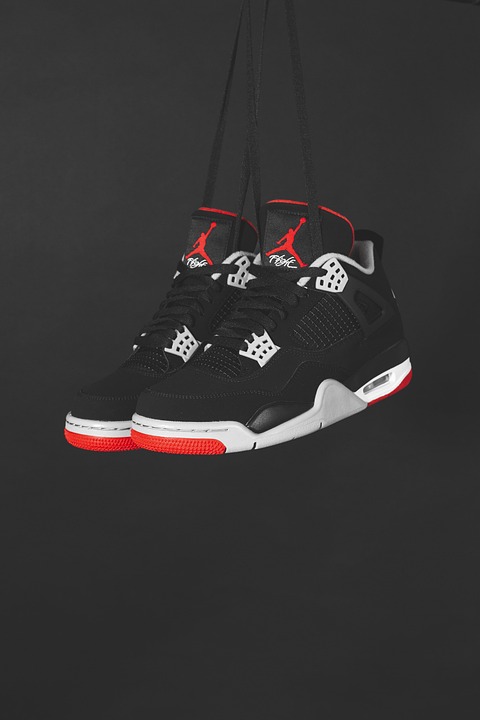
- A pair of organic cotton sneakers ($80)
- A recycled polyester hoodie ($40)
- A pair of sustainable denim jeans ($60)
These items can be mixed and matched to create a variety of outfits, making them a great addition to a sustainable wardrobe.
Comparing Eco-Friendly Fabrics
The following table compares some popular eco-friendly fabrics based on their climate suitability, care, durability, cost, and versatility:
| Fabric | Climate Suitability | Care | Durability | Cost | Versatility |
|---|---|---|---|---|---|
| Organic Cotton | Temperate | Machine wash | Medium | $10-$30 | High |
| Recycled Polyester | Varies | Machine wash | High | $15-$40 | Medium |
| Tencel | Temperate | Hand wash | High | $20-$50 | High |
As stated by the EPA, the production of synthetic fibers like polyester requires significant amounts of energy and resources, resulting in greenhouse gas emissions and waste 2.
Building a Sustainable Wardrobe
To build a sustainable wardrobe, follow these steps:
- Start with a clear idea of your personal style and needs.
- Invest in high-quality, eco-friendly fabrics that will last.
- Consider the cost per wear of each item.
- Care for your clothes properly to extend their lifespan.
- Avoid fast fashion and trend-driven purchases.
According to a study by the WRAP, extending the life of clothing by just nine months can reduce waste by up to 30% and cut carbon, water, and waste footprints by 10-20% 3.
Common Mistakes
When building a sustainable wardrobe, there are several common mistakes to avoid:
- Poor fit: Clothes that don’t fit well are more likely to be discarded.
- Color mismatch: Choosing items that don’t match your existing wardrobe can lead to waste.
- Fabric care errors: Not following care instructions can reduce the lifespan of your clothes.
To fix these mistakes, take the time to ensure a good fit, choose items that match your existing wardrobe, and follow care instructions carefully.
FAQs
- Q: What is the most eco-friendly fabric?
A: Organic cotton is generally considered one of the most eco-friendly fabrics due to its low environmental impact. - Q: How do I care for eco-friendly fabrics?
A: Always follow the care instructions provided by the manufacturer to ensure the longevity of your clothes. - Q: Can I afford eco-friendly fabrics?
A: While eco-friendly fabrics may be more expensive than traditional fabrics, they are often more durable and require less maintenance. - Q: What is the difference between organic and recycled fabrics?
A: Organic fabrics are made from natural materials that are grown without the use of toxic chemicals, while recycled fabrics are made from materials that have been recycled from post-consumer waste. - Q: How can I make my wardrobe more sustainable?
A: Start by assessing your current wardrobe and identifying areas for improvement, then follow the steps outlined in the building a sustainable wardrobe section.
Sources
Conclusion
Choosing eco-friendly fabrics is an essential step in promoting sustainable fashion practices. By understanding the benefits and drawbacks of different fabrics, building a sustainable wardrobe, and avoiding common mistakes, you can make a positive impact on the environment. Remember to always consider the climate suitability, care, durability, cost, and versatility of each fabric, and don’t be afraid to invest in high-quality, eco-friendly items. For more information on sustainable fashion, visit Zaptohub.