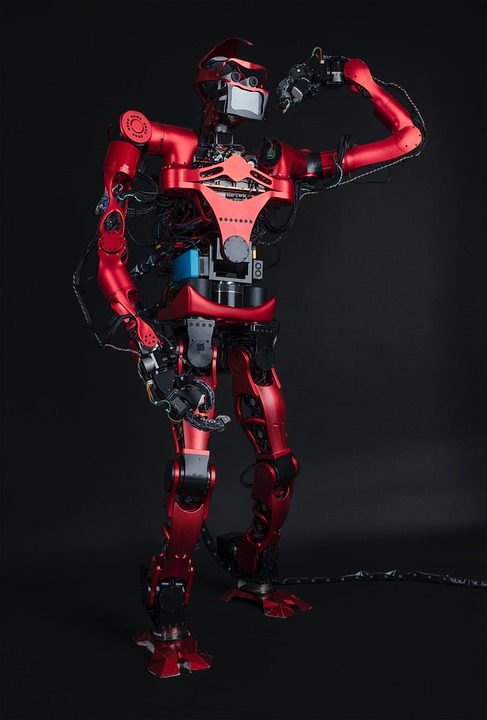
Learning robotics basics can seem like a daunting task, but with the right approach, it can be a fun and rewarding experience. In just 5 steps, you can gain a solid understanding of the fundamentals of robotics and start building your own projects. To get started, it’s essential to understand the basics of robotics, including the types of robots, their components, and how they interact with their environment. According to a report by Statista, the global robotics market is expected to reach $135.4 billion by 2025, with the number of robots in use increasing by 12% annually 1.
Introduction to Robotics Basics
To learn robotics basics, you need to start with the fundamentals. This includes understanding the different types of robots, such as autonomous mobile robots, robotic arms, and humanoid robots. You also need to learn about the components of a robot, including the microcontroller, sensors, and actuators. A study by ResearchAndMarkets found that the use of robots in industries such as manufacturing and healthcare is increasing, with 61% of companies planning to invest in robotics in the next 2 years 2.
Step 1: Choose a Robotics Platform
The first step in learning robotics basics is to choose a robotics platform. There are many platforms available, including Arduino, Raspberry Pi, and ROS. Each platform has its own strengths and weaknesses, and the choice of platform will depend on your specific needs and goals. For example, a small team rollout might use Arduino, while an enterprise scenario might use ROS. According to a report by Robotics.org, 71% of robotics professionals use ROS, while 21% use Arduino 3.
Step 2: Learn Programming Languages
The second step in learning robotics basics is to learn programming languages. The most common programming languages used in robotics are C++, Python, and Java. You need to learn the basics of these languages, including data types, variables, and control structures. A study by TIOBE found that Python is the most popular programming language used in robotics, followed by C++ and Java 4.
Comparison of Robotics Tools
The following table compares 5 robotics tools, including Arduino, Raspberry Pi, ROS, Python, and C++.
| Tool | Cost | Complexity | Scalability | Security | Maintenance |
|---|---|---|---|---|---|
| Arduino | Low | Low | Low | Low | Low |
| Raspberry Pi | Low | Medium | Medium | Medium | Medium |
| ROS | High | High | High | High | High |
| Python | Low | Low | High | Medium | Low |
| C++ | Low | High | High | High | High |
Step-by-Step Checklist
The following is a step-by-step checklist for learning robotics basics:
- Choose a robotics platform
- Learn programming languages
- Learn about robotics components
- Practice building robotics projects
- Join online communities to learn from others
Common Mistakes
One common mistake made by beginners is not starting with the basics. Robotics is a complex field, and it’s essential to start with the fundamentals before moving on to more advanced topics. Another mistake is not practicing enough. Building robotics projects is the best way to learn, and it’s essential to practice regularly. For more information on robotics basics, visit this blog.
FAQs
FAQs
- What is the best programming language for robotics?
The best programming language for robotics is Python, followed by C++ and Java. - What is the most popular robotics platform?
The most popular robotics platform is ROS, followed by Arduino and Raspberry Pi. - How long does it take to learn robotics basics?
It takes around 5-10 weeks to learn robotics basics, depending on the individual’s prior knowledge and experience. - What are the applications of robotics?
The applications of robotics include manufacturing, healthcare, transportation, and education. - What is the future of robotics?
The future of robotics is promising, with the global robotics market expected to reach $135.4 billion by 2025.
Sources
Sources
Conclusion
Conclusion
In conclusion, learning robotics basics in 5 steps is a fun and rewarding experience. By following the steps outlined in this article, you can gain a solid understanding of the fundamentals of robotics and start building your own projects. Remember to start with the basics, practice regularly, and join online communities to learn from others. With the global robotics market expected to reach $135.4 billion by 2025, the future of robotics is promising, and it’s essential to stay up-to-date with the latest developments in the field.